Stories – Materials First Approach Design Conformity Circular Champions | Rezign + Planq
MATERIALS FIRST APPROACH
PLANQ + REZIGN

October 2nd, 2026
Olivia Aspinall
5 LESSONS ON USING A MATERIALS FIRST APPROACH WITH REZIGN + PLANQ
In collaboration with Design Conformity, I am interviewing leaders, change-makers and mentors within the world of sustainable design.
For this conversation, I spoke with Mark, Product Designer, and Steffie, who leads Marketing and Sales at Planq, a furniture brand working at the intersection of material innovation and circular design. Alongside this, their material development arm, Rezign, focuses on transforming waste streams into new materials, which are then utilised within Planq’s furniture collections, creating a direct link between material innovation and product application.
Working so closely with materials brings a different set of challenges and opportunities for Planq as a furniture producer. Rather than dealing in fixed specifications or consistent inputs, Planq’s process is shaped by variability, experimentation and the constraints of working with waste streams that are inherently unpredictable.
1 – A MATERIALS-FIRST APPROACH TO DESIGN IS POSSIBLE
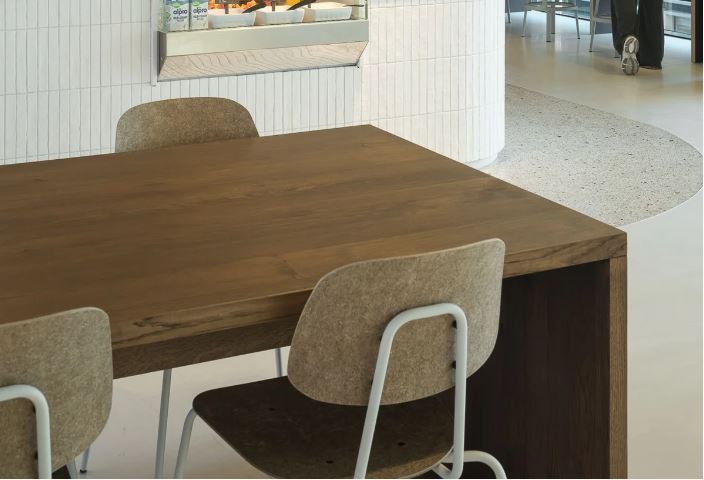
Planq’s approach begins a little differently to most furniture studios. Rather than designing furniture and selecting materials to suit, their process starts with the development of materials through Rezign, which are then applied within Planq’s furniture collections.
“We started with the material and then we started looking for an application for the material” — Mark, Planq
Rezign focuses on transforming textile waste into new materials, which form the foundation of Planq’s products. These materials are not treated as an add-on or a feature, but are the starting point for design, shaping what is possible from the outset. This encourages sustainability and circularity to be inbuilt from the very start of the design process through an in-depth understanding of materials and their life cycles.
2 – DESIGN WITH VARIABILITY, NOT AGAINST IT
Working with waste streams introduces a level of variability that sits in direct contrast to traditional manufacturing systems, where consistency is expected and controlled.
“Waste is really difficult for us because it’s not always a continuous stream of the same quality” — Mark, Planq
Unlike virgin materials, which are standardised and predictable, waste streams are inherently inconsistent. Variations in composition, quality and availability mean that materials cannot always be replicated in the same way, influencing both production processes and final outcomes.
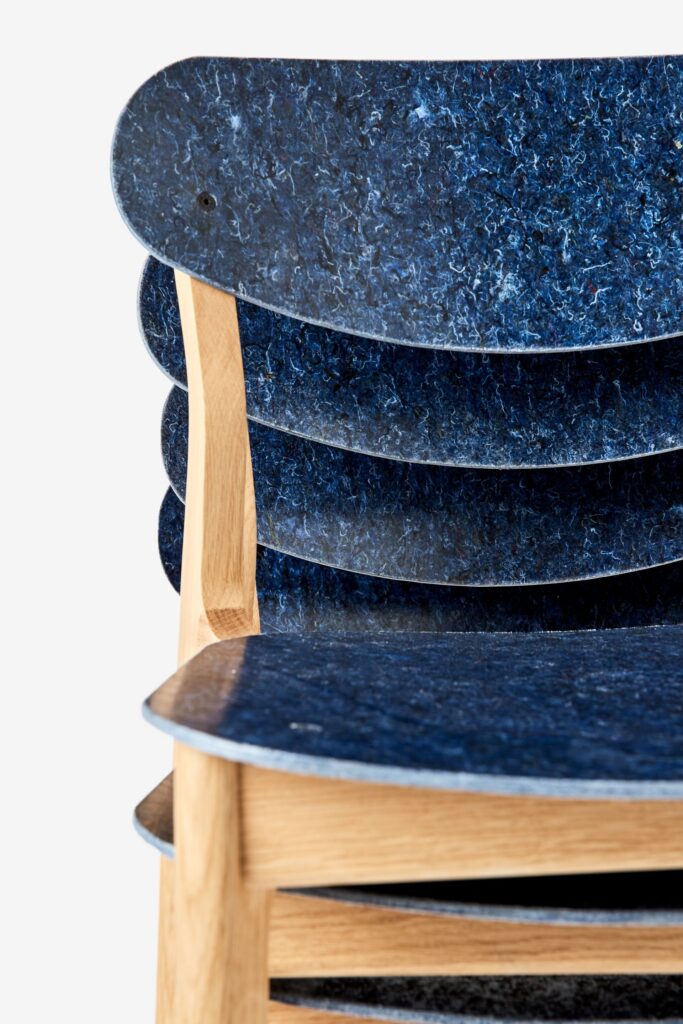
Products made from these materials may differ slightly between batches, whether in colour, texture or finish. These differences become direct expressions of the material and its origin. Variation is not only something that has to be accepted by client and dsesigners, but also something that gives the material its identity. It makes every product connected to its origin and prevents waste materials from having to imitate virgin materials.
Designing in this context requires a shift in approach. Instead of striving to eliminate variation, Planq works with it, adapting design decisions to suit the material available. In this way, variability becomes an integral part of the process, shaping products that remain closely connected to their source.
Working in this way also requires a shift in expectations. After decades of manufacturing based on standardisation and consistency, many clients naturally expect every product to be identical. Often circular materials challenge that expectation and the job of the designer or producer is to help clients understand and embrace these characteristics of variation.
3 – VISIBLE MATERIALS BECOME POWERFUL STORYTELLERS
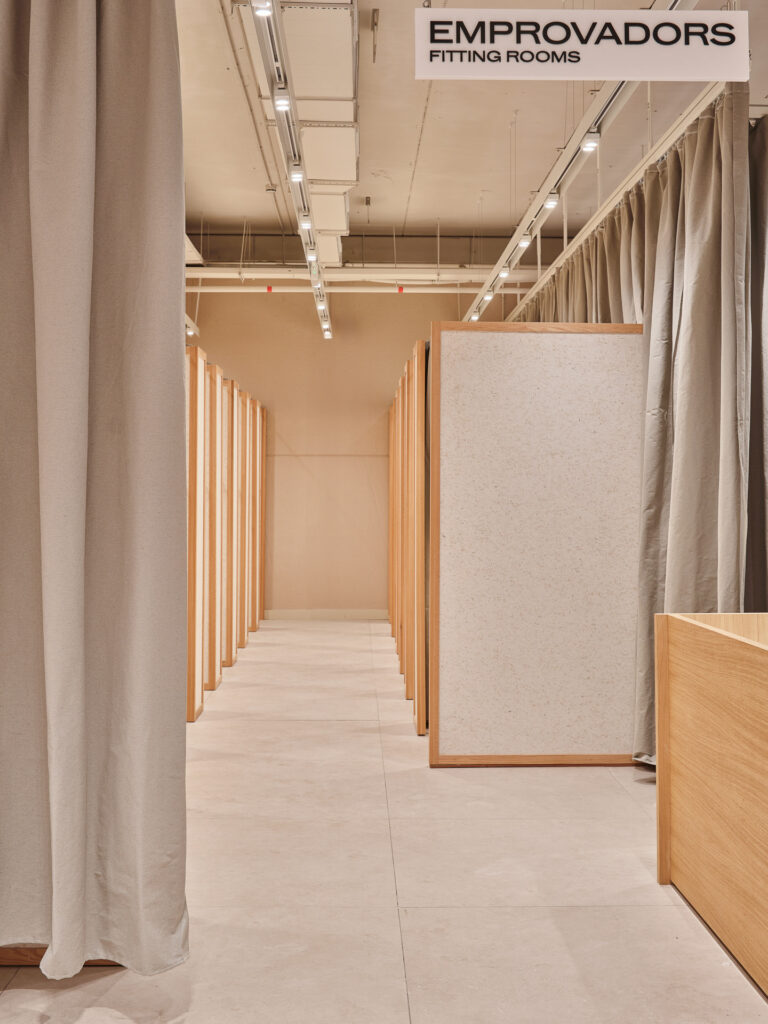
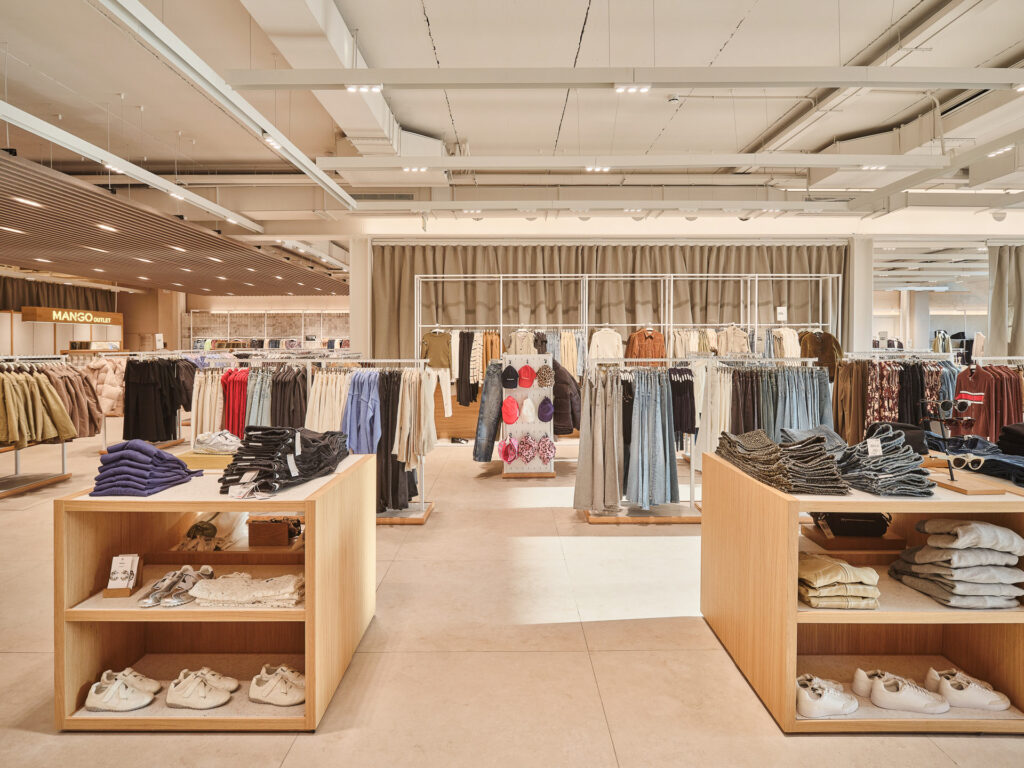
By working with recognisable waste streams, such as denim, Rezign create an immediate and tangible connection between source material and final product.
This becomes an instantly recognisable signal of circularity for customers; a visual story that can be understood at a glance. While visible recycled materials do not, in themselves, tell us everything we need to know about the true circularity or environmental performance of a product, they can play an important role in engaging people with the conversation.
In a retail setting, for example, they encourage customers to think differently about the materials surrounding them, prompting questions about where products come from, what they are made from and what might happen to them at the end of their life.
The material becomes more than a surface or finish and can help to make the often abstract principles of circularity visible, tangible and relatable to customers. It is important to note that visibility and impact are equally important. Rezign deliberately create recognisable materials because they help make circularity tangible and change perceptions of waste. At the same time, they always look together with clients for applications where these materials can create the biggest impact by replacing significant volumes of virgin materials. The story is important, but it needs to be supported by real circular impact, not just used as a sustainability statement.
“For retailers, it’s a very recognisable product because you literally can see the denim in the product.’”— Steffie, Planq
4 – CIRCULARITY REQUIRES SHARED RESPONSIBILITY
Planq’s approach to circularity extends beyond material innovation, placing responsibility not only on themselves as the producer, but also on the client whose waste streams they may be utilising.
“We can transform your waste into a valuable material, but true circularity only works when we keep the loop closed together” — Mark, Planq
Rather than positioning themselves as a solution to waste, Planq’s model requires a level of commitment from the companies they work with. If a client’s waste is transformed into new materials or products, that client is expected to take those products back into their own spaces.
This challenges a more passive approach to sustainability, where responsibility is often outsourced or treated as a service. Instead, it creates a closed loop that is both practical and accountable, linking waste generation directly to product use.
While many companies are keen to address their waste, they do not always have a clear need for the products that can be created from it. This exposes a broader issue within circular systems, where supply and demand are not always aligned.
By maintaining this position, Rezign tries to ensure their offer of circularity is not reduced to a symbolic gesture, and is a more active and considered process, requiring participation and ownership from all parties involved.
5 – SUSTAINABILITY SHOULD SUPPORT GOOD DESIGN
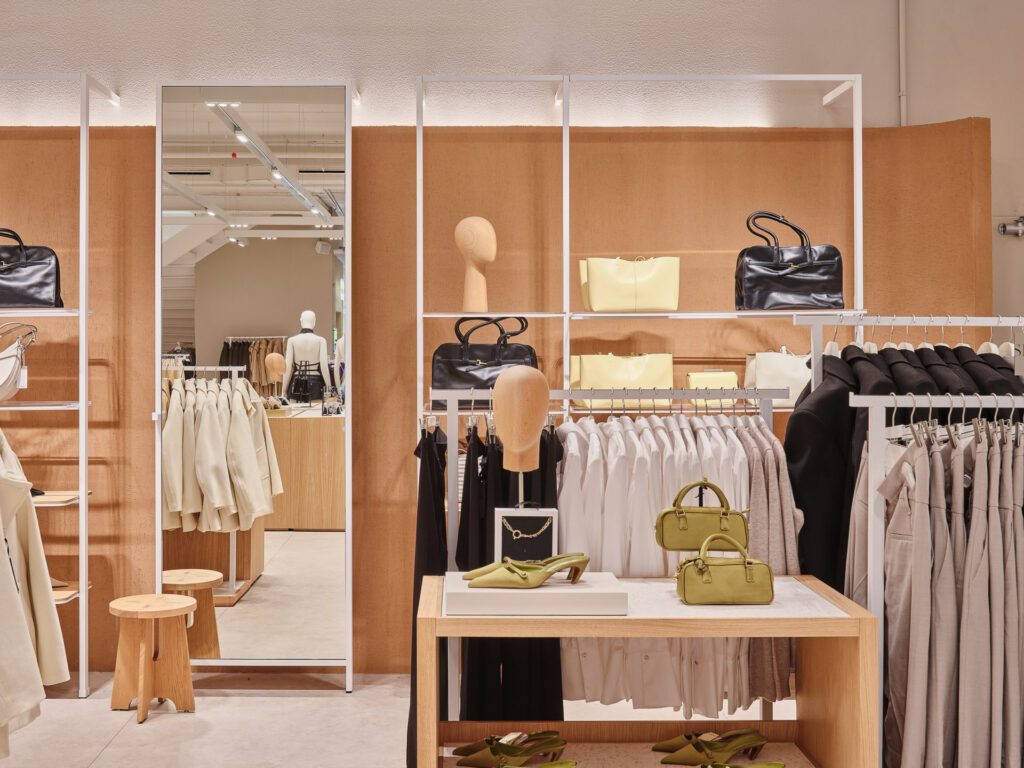
Throughout the conversation, Mark and Steffie return to the idea that sustainability is only one part of a successful product. A chair still has to be comfortable, functional and desirable. Circularity should strengthen good design, not become a substitute for it. Equally, great design should be intrinsically circular.
For Planq, the innovation sits within the material itself and the furniture is intentionally timeless. Planq are not allowing sustainability to become the defining aesthetic, they focus on creating products that people will genuinely want to specify, use and keep. As their own philosophy states:
“Let honest materials speak through timeless designs.”
Products cannot rely on their environmental credentials alone. Long-term impact comes from creating products that people value enough to choose, use and keep in circulation. Beautiful design and sustainability should not be competing priorities; together, they create products with the greatest potential for longevity.