




















Our guidance is based on the current British, European and ISO standards and seeks to provide clarity for designers and created by subject matter experts. The guidance is always evolving but based on three core principles:
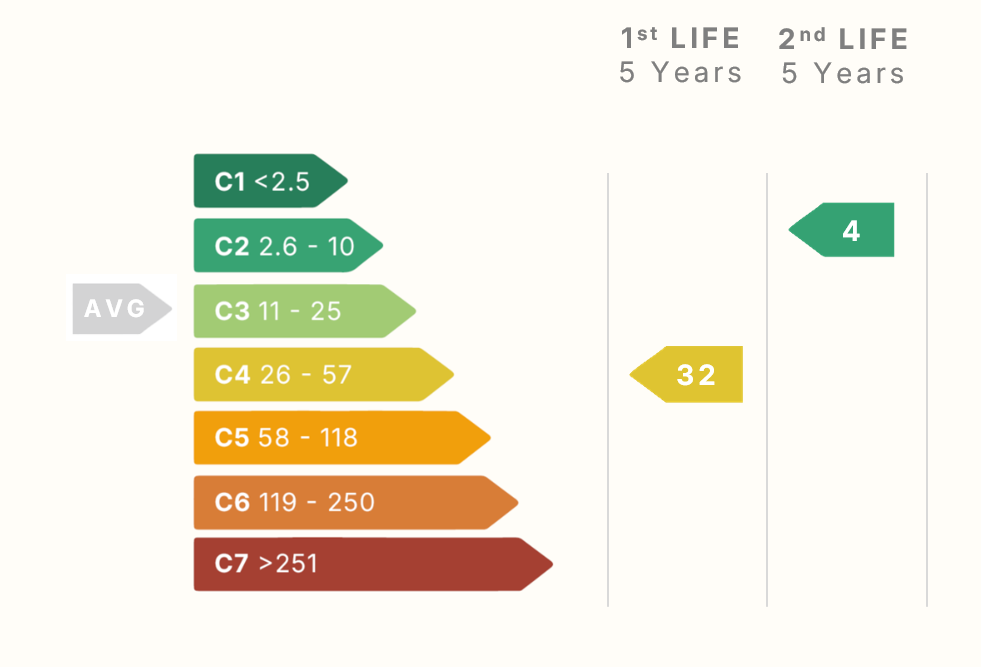
The guidance established the need for a standard approach to carbon reporting that encapsulated not just the carbon footprint of a product, but the value of carbon.
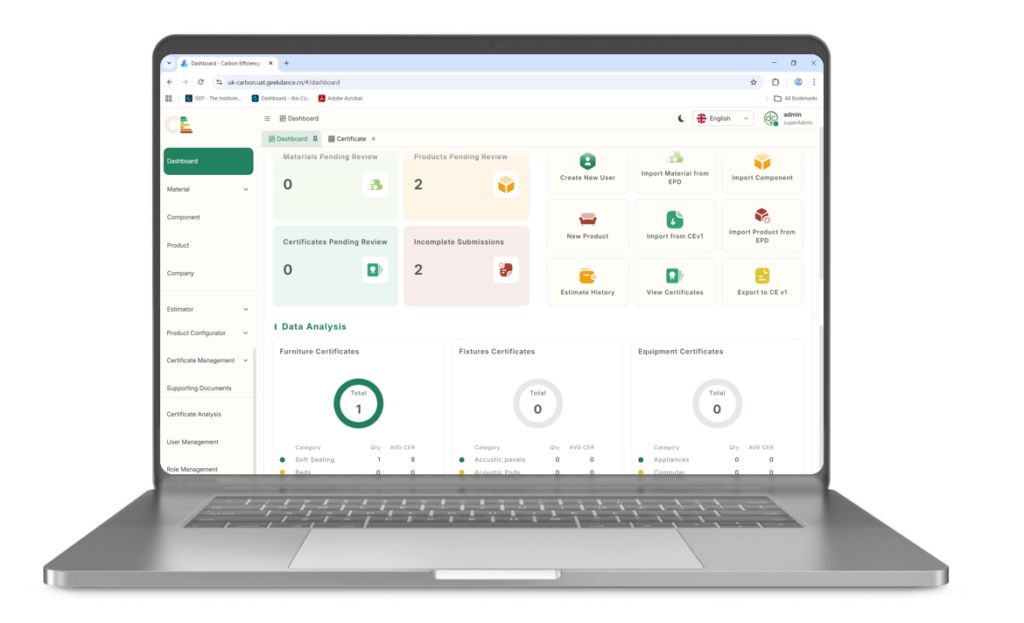
‘Carbon Efficiency’ has been created to allow end users to report the value of circular design, and help them see carbon as an asset to be invested and reused.
We’re then committed to standardised, simple reporting.
Design Conformity, or dc was established in 2017 to help display furniture manufacturers apply circular design standards to their manufacturing. We began with an electrical design standard that reduced operational carbon, and enabled reuse, this was adopted by Boots, M&S, Next, and other high street retailers.
Before long we were being asked to assess the carbon footprint of complete fixtures and furniture; the question remained – how do we reduce carbon impact without comprising design creativity? The answer, circularity. Our first Circular Design Guide was created in 2021 and now over 1,500 products from more than 50 international manufacturers have now been certified to comply with the dc guidance.
We’re committed to listening to manufacturers, suppliers, partners and collaborators to ensure we reflect their interests through innovation.
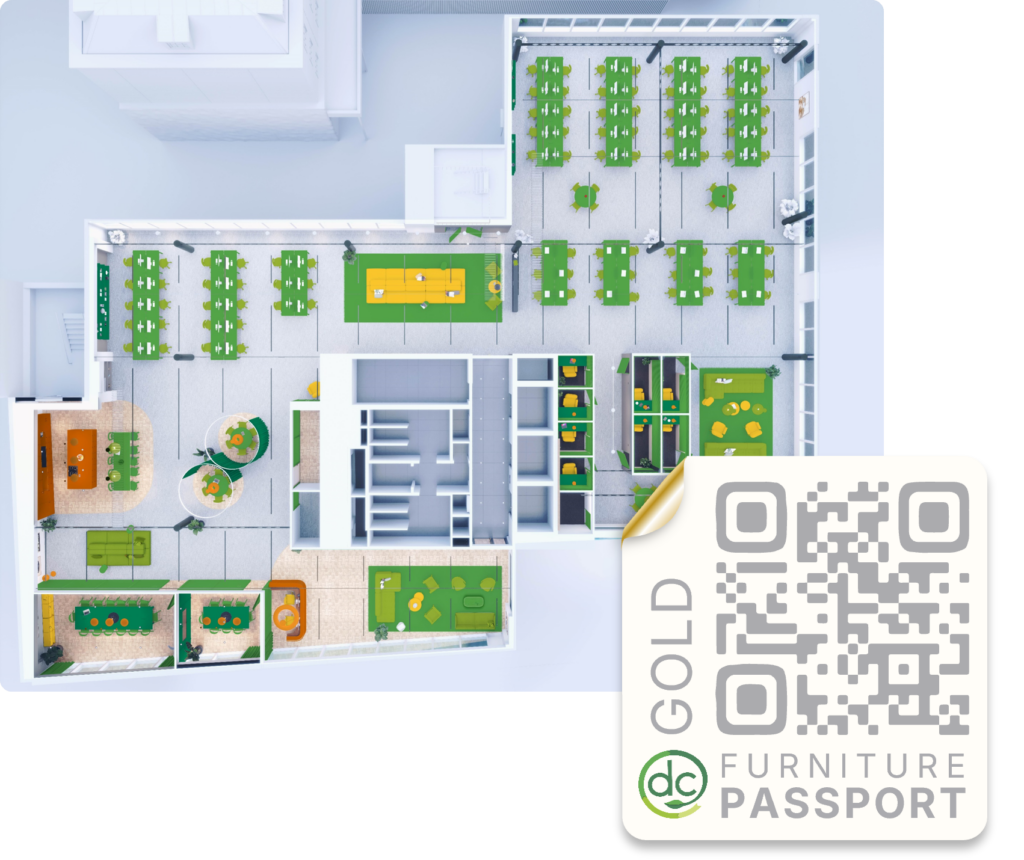
The Carbon Efficiency methodology has become the foundation of more than one good idea. Since 2023 we’ve developed:
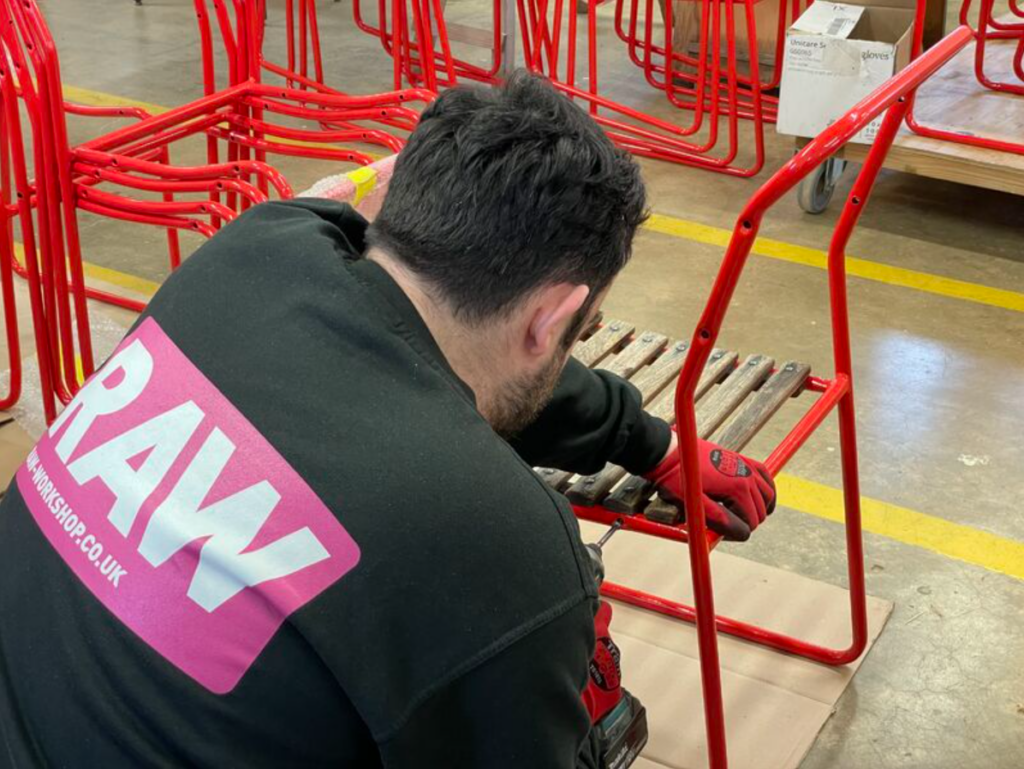
We’re committed to supporting organisations that seek to invest and support in social enterprise. Companies like RAW Workshop are creating new and second opportunities for people from challenged backgrounds, proving champions can bring about real change.
We’re committed to helping manufacturers and suppliers ensure that end of life doesn’t mean end of value. By partnering with charities and organisations, we encourage landfill avoidance.
If you are interested in a sustainable partnership or feel we can support you, please get in touch.
We’re committed to sharing our knowledge with the next generations of designers. By making our guidance and software available to students and apprentices, we create opportunities for both our manufacturers, ourselves, and our wider collaborators.
We’re committed to championing women in the circularity and design industry, within our board, our team, our technical committee and our dc agents.
See that little leaf on our logo? Circular design implementation results in biodiversity for us.
We’ve teamed up with Forest Carbon to plant a tree for each product that is dc certified. The site we’ve picked to support is in the stunning Isle of Mull. Croft 4 Fanmore is a small but highly impactful woodland creation project set within the wild coastal landscapes on the Isle of Mull, overlooking the Sea of the Hebrides. By establishing a diverse mix of species – including Downy Birch, Hazel, Oak, Aspen, Alder, Holly, Rowan and Willow – the woodland will provide valuable shelter for livestock, enhance landscape structure, and in time offer opportunities for coppicing and woodfuel. A small watercourse borders part of the planting area, adding riparian value and further boosting habitat variety accross the site.
Celebrating #CircularChampions of the Furniture Industry.