System Reform Driven By Care. Design Conformity Circular Champions | Annie Beavis
SYSTEMS REFORM DRIVEN BY CARE
CROWN WORKSPACES

June 17, 2026
Olivia Aspinall
5 LESSONS IN CIRCULAR LEADERSHIP FROM ANNIE
In collaboration with Design Conformity, I am interviewing leaders, change makers, and mentors within the world of sustainable design.
My first interview was with the powerhouse of inspiration, Annie Beavis.
Annie has been the driving force behind transforming Crown Workspace into the leader in circular workspace services.
Alongside that work, Annie co-runs Not Sustainable, an organisation that helps leaders grow and transform businesses through new sustainable frameworks.
The overall impression Annie gave me during this interview was that of a person who truly believes in the work they are doing. Her passion runs deep, and she has a steadfast belief in the work she puts out into the world, as well as knowing where she can drive change. I asked about where her circular mindset came from, and I loved her answers.
Before she ever used the phrase “circular economy,” Annie was watching her father in his shed. In the 1970s and 80s, he dismantled bathroom ceiling tiles and turned them into a coffee table. He reversed the motor in a broken hairdryer and built a vacuum cleaner from it.
Everything was labelled, sorted, and stored carefully enough to be useful again. I am sure this is a memory that resonates with many, of parents or grandparents just being resourceful in a way that was normal and everyday.
The second impactful experience for Annie was her time working in social housing and homelessness. Annie saw what happens when systems are not designed to support the people inside them. This was a stark example of failing systems having a catastrophic impact on people’s lives. Annie went on to take this experience of understanding the systems that can care for people and transform them into systems that care for the built environment.
And a final important experience came from working within waste management, which opened Annie’s eyes to the shocking amount of materials and products being discarded.
Without realising it at the time, all these lived experiences came together to form Annie’s outlook and drive to create systems that support people and care for the built environment.
1 – CIRCULAR DESIGN ISN’T AN ADD ON, IT’S A SYSTEM OVERHAUL
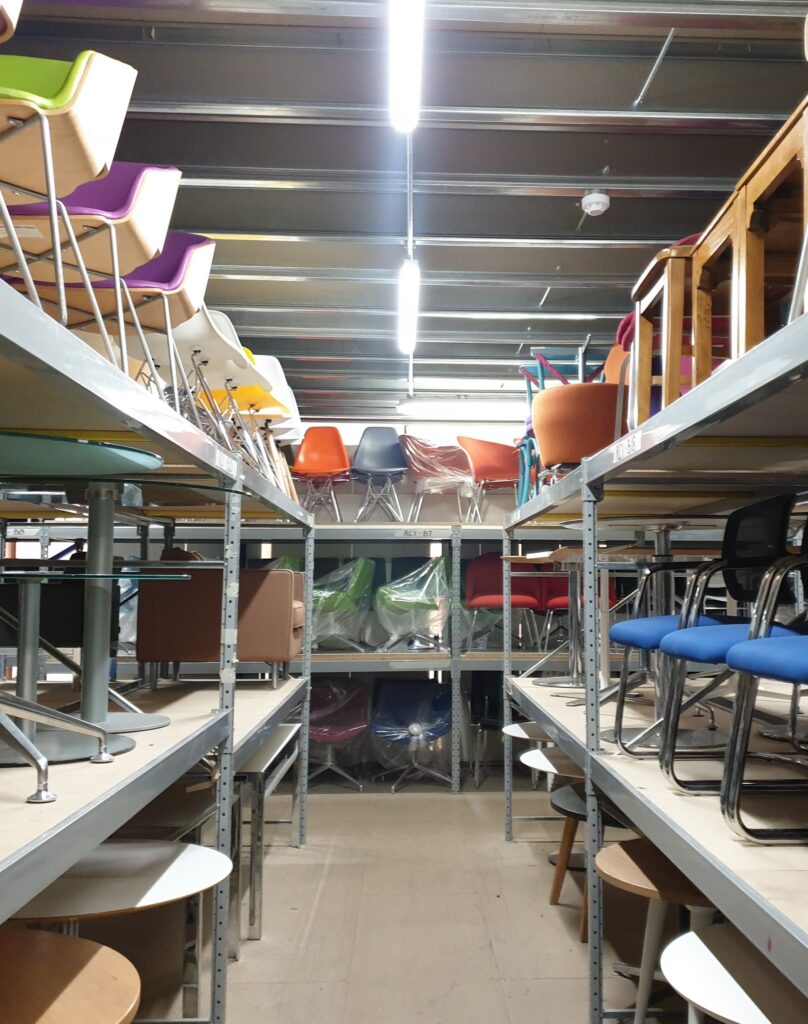
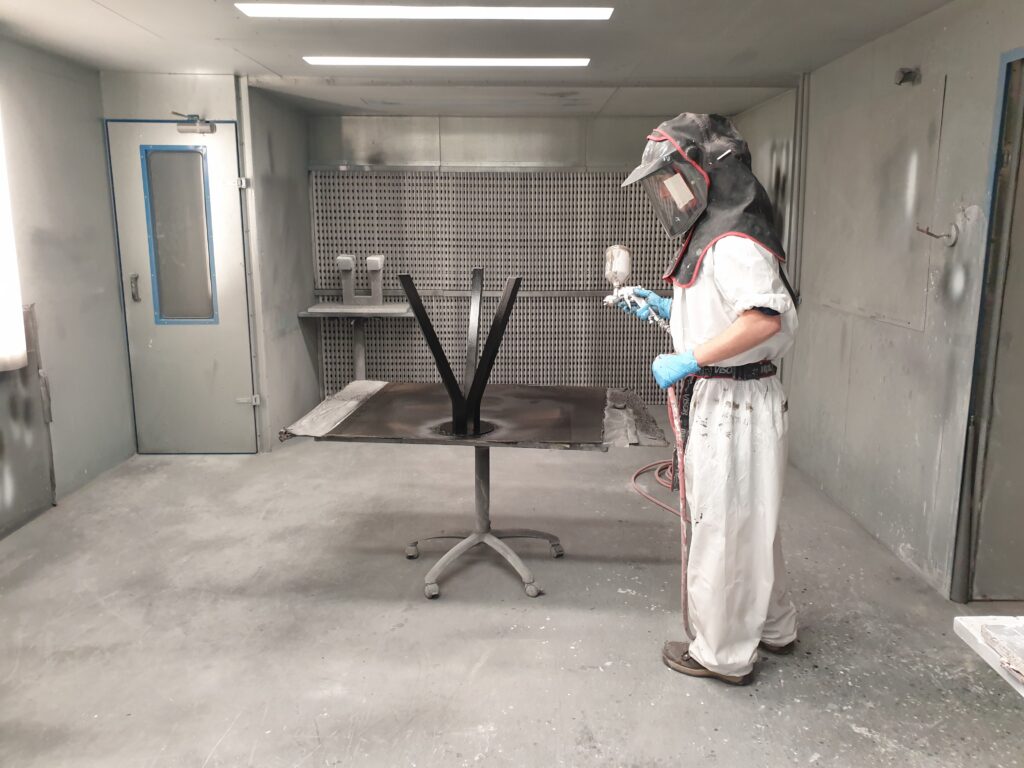
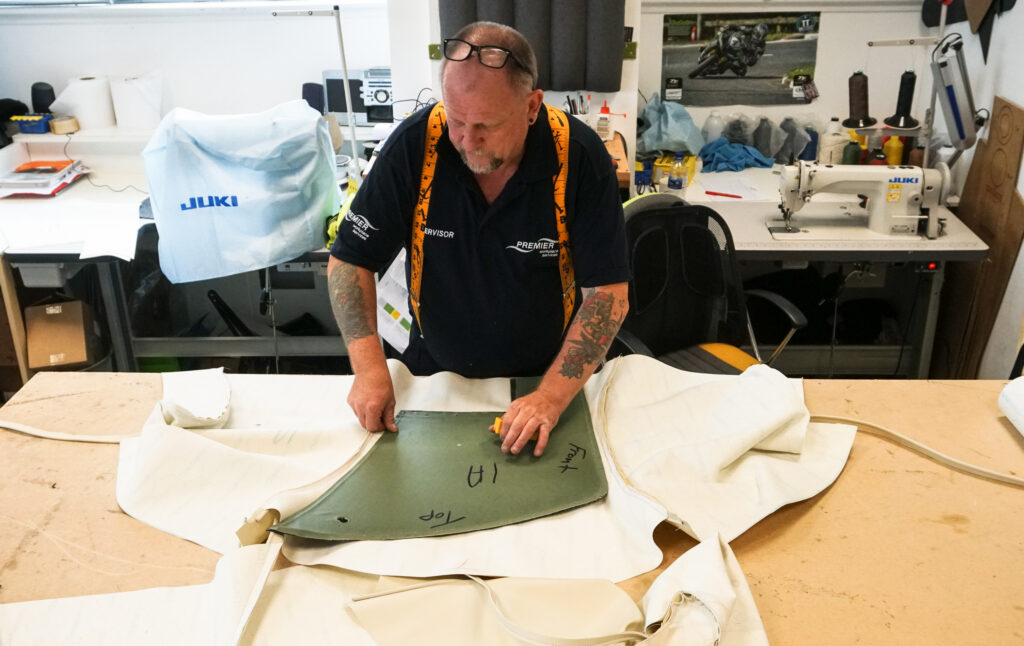
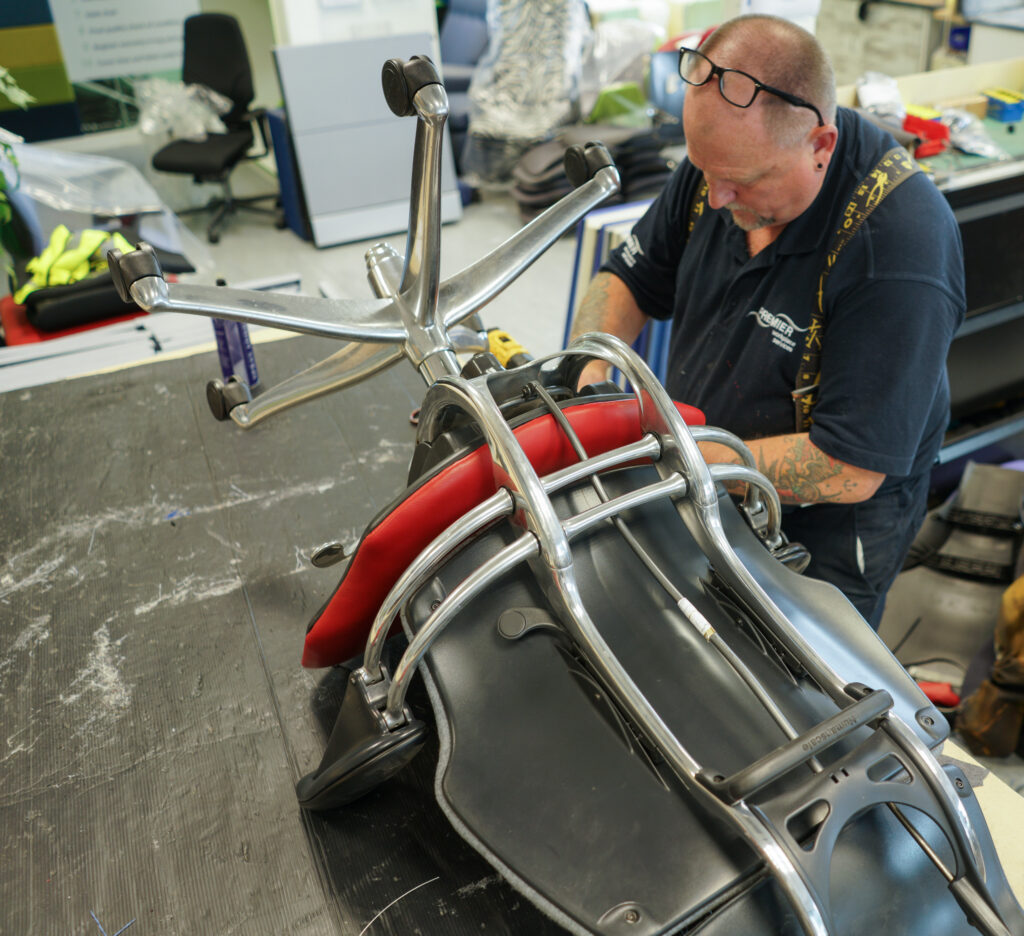
Annie’s work at Crown makes one thing clear: circularity cannot sit on the edges of a business. Crown prioritises circular economy principles, and these sit at the core of their business model. This was achieved through bold changes to procurement behaviour, logistics, decision making, how success is measured, and incentives. Real progress came when reuse, refurbishment, and take-back were embedded into operational processes and governance, not offered as optional extras.
“On circular economy, we’re really mature. We’ve got governance, we’ve got metrics, we’ve got training.”
2 – LEADERSHIP IN SUSTAINABILITY IS AS MUCH ABOUT TRANSLATION OF IDEAS AS IT IS ABOUT VISION
Annie has been leading and consulting on circularity for decades and she spoke openly about the challenge of sometimes being further ahead than the organisation or teams around her. Progress came when she learned to translate big ideas into smaller, digestible steps to take everyone along with her.
“You have to bring people with you. You have to take it in stages.”
3 – CARE ISN’T SOFT OR SENTIMENTAL; IT’S A CRITICAL ELEMENT OF CIRCULAR THINKING
Throughout Annie’s journey, care emerges as a driving force. Care for people and care for systems that results in care for the environment. Her early experiences in social housing and waste management shaped a deep understanding that poor design decisions have human consequences. It is often these softer skills that drive change, through persistence and determination to make a change.
“I always had this kind of care for better systems and how things let people down.”
4 – SUPPORTIVE LEADERSHIP ENABLES CIRCULAR AMBITION TO SCALE
System change at Crown did not happen in isolation. Annie was backed by leadership who recognised primarily the commercial opportunity but also the moral case for doing things differently. With director-level support, circularity was able to take a central role within the business model.
“I’ve always been backed by the directors… they could sense this gave us something different in the market.”
5 – WASTE IS USUALLY A SYSTEM FAILURE, NOT A MATERIAL ONE
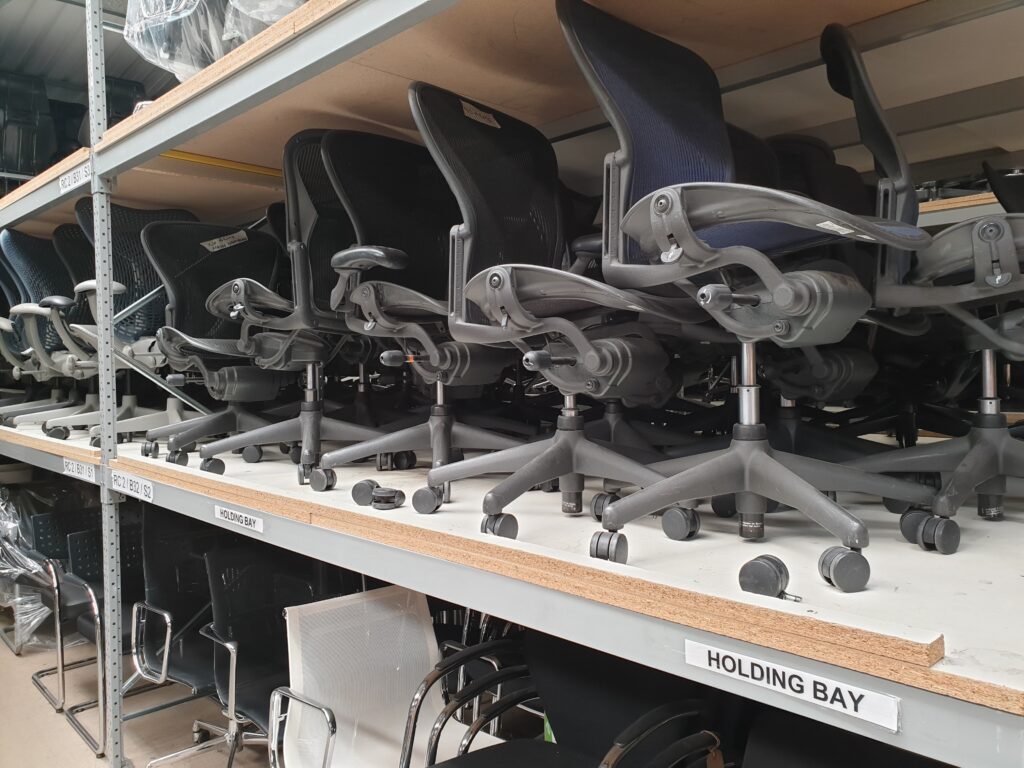
Furniture is often mentally discarded long before it reaches a skip, because systems do not allow time, information or incentives for reuse. By unpicking the decision-making chain, Crown reduced waste by redesigning process. Change the system, and material value follows.
“If something’s considered a waste… it’s already been discarded mentally, physically, organisationally.”
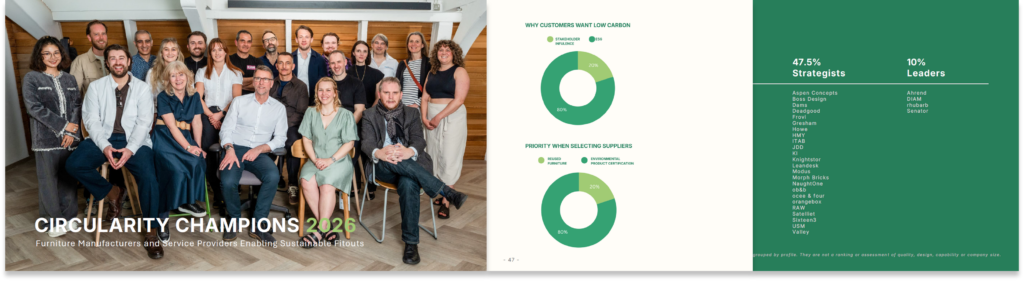
My main takeaway from speaking with Annie is an admiration for the amount of passion, care, and dedication she has put in to achieve big changes within the industry. Circular leadership isn’t loud; it involves commercial realism, internal alignment, and cultural change whilst sticking to the plan and taking everyone along for the ride. If the industry is serious about circularity, it will need more leaders willing to do the unglamorous work of system redesign, not just product innovation. To find out more about our Circular Champions, download our report below: